Understanding Infrastructure investments
Infrastructure became an emerging asset towards the end of the 1990s and has grown into an investment powerhouse and is considered at a similar level to private equity and property.
Current & Future Infastructure
The infrastructure investment market is estimated to be in access of US 100 billion of annual capital raising delivering a stable return during most economic climates.
At the core of infrastructure investment is the collection of public and private assets, including schools, hospitals, and utilities such as power, water, gas and logistic networks comprising roads, airports, and seaports—these assets form the basis of investment and capital raising.

Todays, modern infrastructure investments can be classed into four main categories:
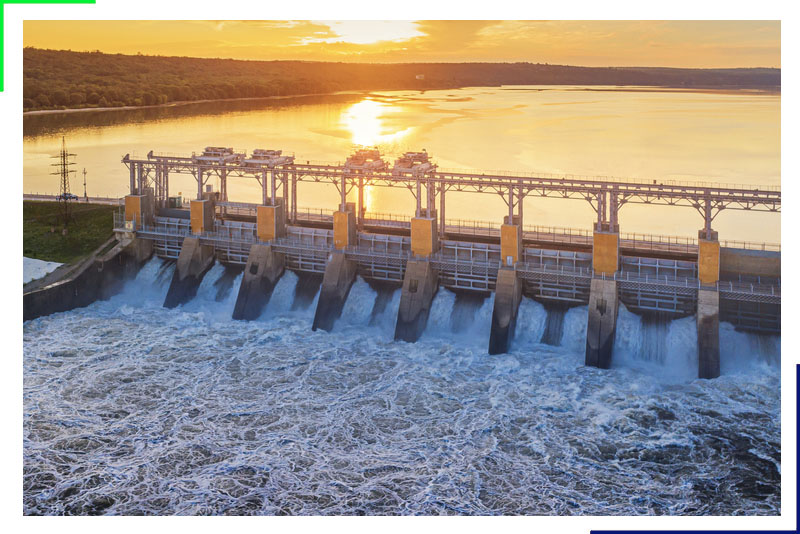
Core Infrastructure
Generally, a brownfield asset is held for the long term. Examples of these are power utilities.

Core Plus
Similar to core assets, but are generally affected by GDP and economic factors. Modern electric generation, such as renewables, would fall into this class.
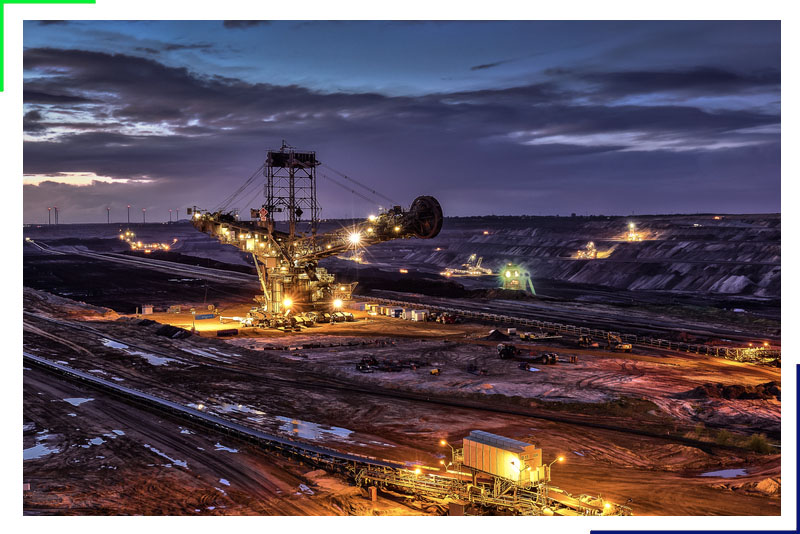
Value added
Assets that have the prospects of growth and expansion. Early stages large scale projects such as mining and processing
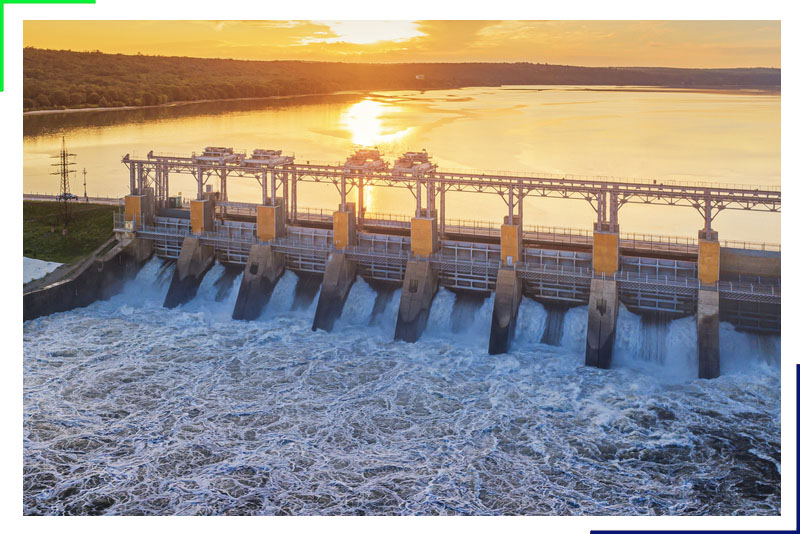
Opportunistic
The highest degree of risk, but also the highest level or returns. Future energy technologies such as wind, hydro and solar.
Stages of development
As each asset moves through the stages of development its value, expected level or risk and potentials for returns can change
Early Stage – Greenfields
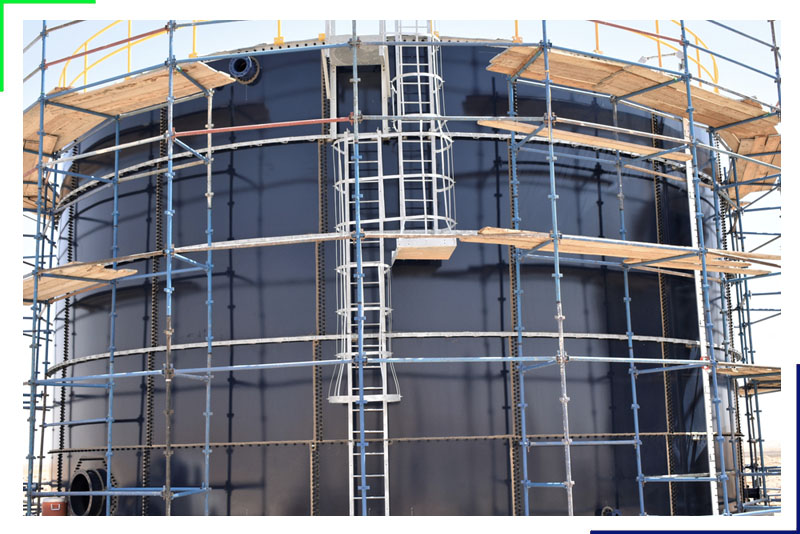
An early stage project carries significant risk as only basic plans may have been established.
Late Stage – Greenfields
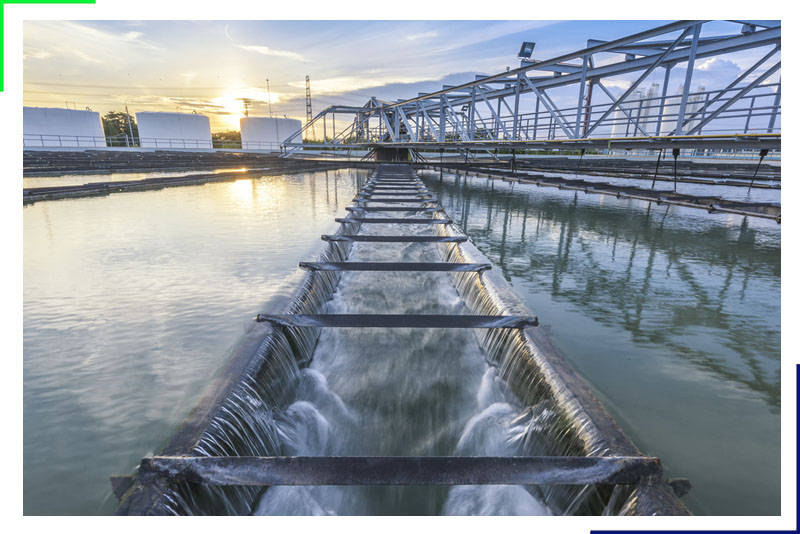
At this stage, the development is likely to proceed with plans completed and stakeholders engaged.
Working Asset
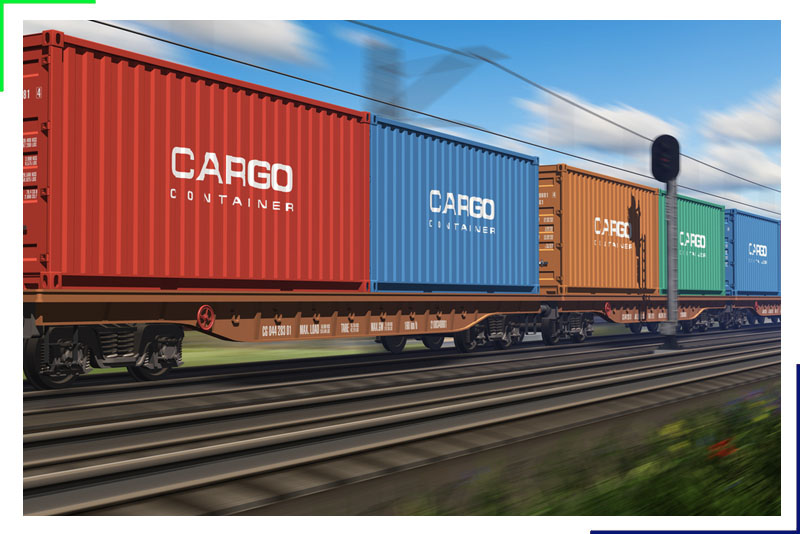
The least risky stage is as the asset has been completed and is normally operating.

Head Office
Level 6, 189 St Georges Terrace, Perth, 6000, Western Australia